What to Prepare Before an AI Consultant Can Build Anything Useful
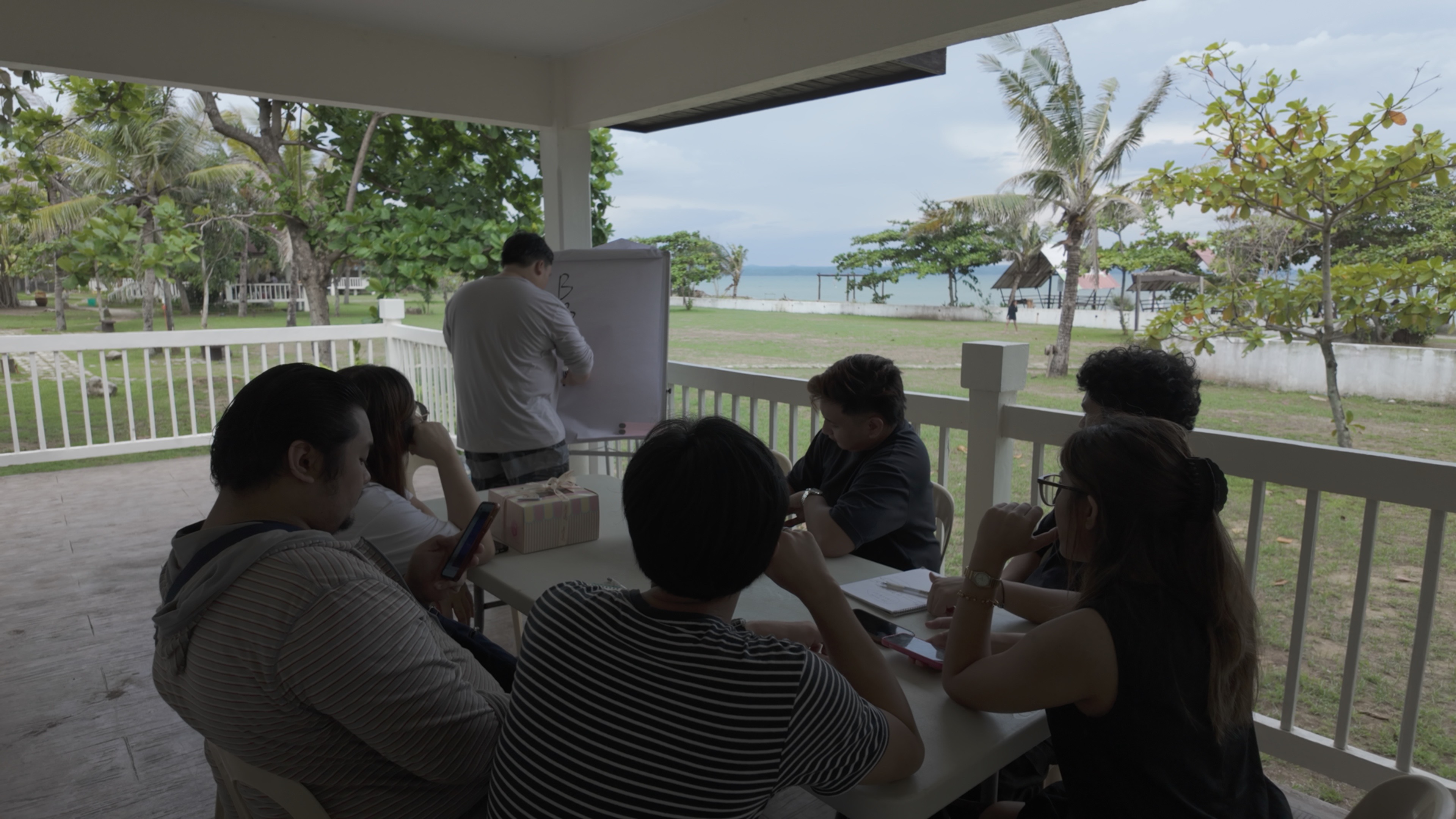
Prepare a clear process, representative examples, approved information, a decision owner and a description of success. You do not need to become an AI expert first. You need enough business context for the consultant to understand the job and identify what is still unknown.
The useful preparation is usually close to the work your team already does. A few well-chosen examples can reveal more than a long document full of general ambitions.
I would start with the task that keeps creating friction.
Describe the work in ordinary language
Write down what starts it, who handles it, what information they use and what should happen next. Include the systems involved and the point at which someone considers the task complete.
If the real process differs from the official procedure, show both. The difference is useful evidence. It may reveal a missing rule, a tool limitation or a practical adaptation the team needs to preserve.
Avoid solving the design too early. “We need this request to reach the right coordinator” leaves room to choose a suitable method. “We need a particular model and six agents” assumes the answer before the problem has been examined.
Bring examples of ordinary and awkward cases
Choose a normal request, an incomplete one, a repeated one and a case that required human judgement. Remove or protect information that is not needed for the review.
For each example, explain what happened and what should have happened. If you do not know, say so. An unresolved case may be exactly what the discovery work needs to investigate.
Examples help define quality. “Make it sound professional” is vague. Showing an approved answer and explaining why it works gives the builder a standard they can use.
Gather the facts that must stay current
Identify the current offer, service scope, prices where relevant, policies, operating instructions and customer-facing promises. Mark the owner of each source.
Separate current material from old drafts. If two documents disagree, record the conflict rather than asking the system to infer your policy.
You do not need to move everything into a new knowledge platform before the engagement. First establish where the reliable information lives and who can maintain it. My knowledge-base guide explains that decision in more detail.
Use this preparation pack
| Item | Your notes |
|---|---|
| One process to improve | Trigger, current steps and desired result |
| Current owner | Person who understands the work |
| Decision owner | Person who can approve rules and scope |
| Examples | Ordinary, incomplete, repeated and exceptional cases |
| Approved knowledge | Current sources, owners and known conflicts |
| Systems | Tools, account arrangements and relevant connections |
| Boundaries | Actions requiring approval or human judgement |
| Starting measures | Time, quality, volume or unresolved work |
| Acceptance | Evidence that would make you call the project useful |
A blank field is not a failure. It is a visible question to resolve. The pack is useful because it makes those questions concrete.
Prepare access without sharing everything
List the access a discovery or implementation phase may require. Agree on the appropriate permissions and secure method before providing it. Do not paste passwords or private customer records into a general project document.
Identify who can approve access and who will remove it when the engagement ends. Where possible, begin with demonstrations or synthetic records until the need for deeper access is established.
Also reserve staff time for questions and tests. A consultant can build a configuration, but the business must participate in decisions about its own promises and operating rules.
Set a realistic first outcome
For a fictional service company, the first phase might produce a tested enquiry summary and assignment process. It does not need to include pricing, scheduling, invoicing and all customer service at once.
Choose an outcome you can inspect. Agree on what is excluded and how new requests will be handled.
The preparation should make the first conversation more productive, not become another project that delays it indefinitely. Bring what you have and label the gaps.
If you are ready to discuss a build, book a conversation with me. Bring one process, a few safely prepared examples and the person who knows how the work actually happens.