How to Choose One AI Service to Sell
You do not need to offer everything a platform can do. Start with one customer, one costly problem and one result you can demonstrate.
Choose the problem before the package
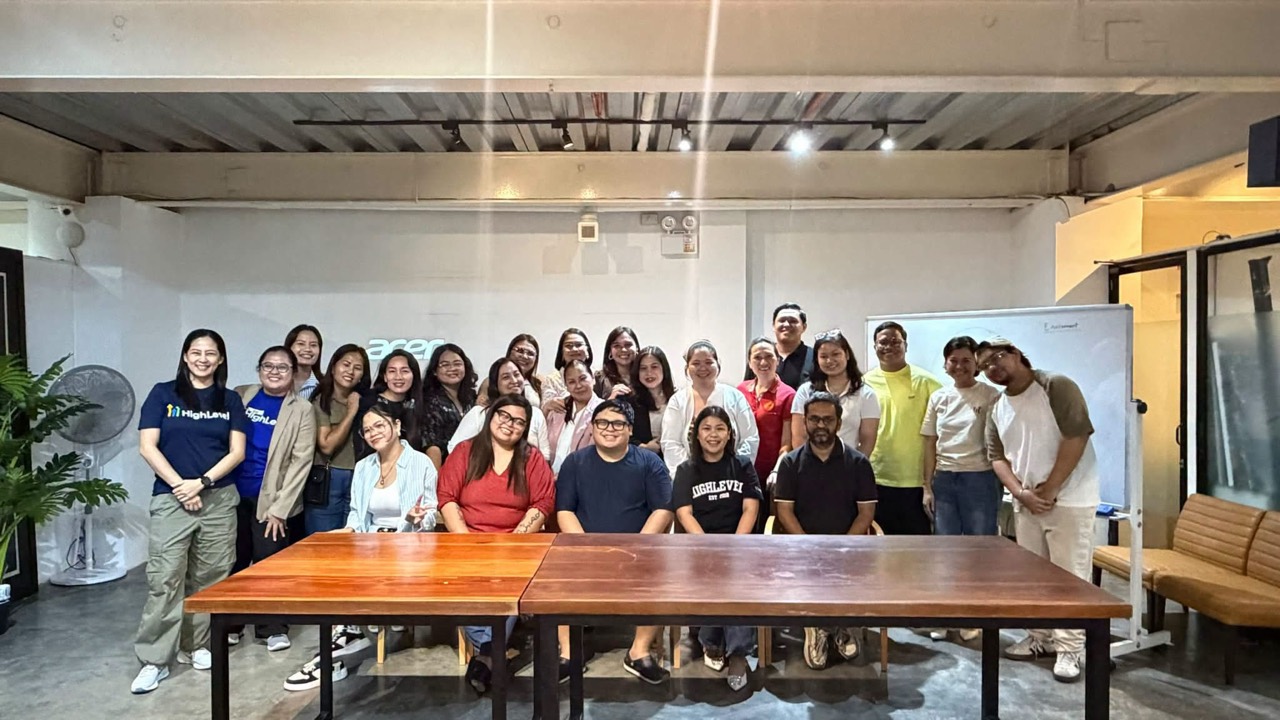
In my Cebu meetup teaching, I discussed three ways to find a service: learn a method from someone with useful field evidence, specialize in a tool, or implement a framework. Each gives you a starting point. None removes the need to understand the customer.
“I build AI agents” describes your method. A business owner is usually trying to solve something closer to “customers inquire after hours and nobody knows who should reply.” Start with the situation they recognize.
In the talk, I described showing a business the delay in its inquiry journey. That made the conversation more concrete than leading with the word AI. Treat it as a way to investigate a problem, not a promise that every delayed reply needs an agent.
Three starting points
| Starting point | What you develop | What you still need to prove |
|---|---|---|
| An established method | Learn how a credible practitioner solves a particular problem, then apply it to your situation. | The method fits this customer and you can deliver it competently. |
| A tool or platform feature | Become good at one useful capability, such as managing an inquiry handoff. | The capability resolves a real gap in the customer's process. |
| A business framework | Turn a repeatable process into a bounded implementation service. | The framework produces a useful deliverable rather than more documentation. |
The first version should be small enough that you can explain what is included, what is excluded and how the customer will judge it.
Use this service-selection worksheet
- Customer: Who has the problem, and who can approve a change?
- Trigger: What happened that makes solving it important now?
- Observed gap: What can you point to, rather than assume?
- Deliverable: What will you build, document or improve?
- Boundary: Which decisions and responsibilities remain with the customer?
- Acceptance: How will you both decide whether the work meets the agreed scope?
- Operating cost: What software, usage and maintenance will the customer need to support?
If you cannot answer those questions, keep investigating before creating a large package.
Example: one inquiry handoff
Hypothetical service: A local business receives inquiries through a website. The owner wants each inquiry acknowledged, its purpose captured and the right team member notified.
The deliverable could be one conversation plan, an approved knowledge file, a configured agent, a team handoff and a set of test results. Exclusions could include paid advertising, payment collection and decisions about whether a customer qualifies for a regulated service.
The acceptance check is that the agreed test inquiries reach the correct next step with accurate information. It is not a guarantee of a certain number of sales.
Choose a working relationship you can sustain
At the meetup, I also talked about the kind of client relationship I want. Fit includes how people communicate, how they make decisions and whether they value the customer being served.
Set expectations about review times, access, approvals and ongoing support before you begin. A service can be technically well scoped and still become exhausting when nobody has agreed who makes a decision.
After you deliver the first useful result, look at the next bottleneck with the customer. That is a better basis for expanding the service than adding every feature to the original proposal.
Your next action: Write one service using the seven questions above. Then speak to a potential customer about the observed problem before asking them to buy the solution.
The session behind this guide
This guide develops the customer and offer discussion from my October 2026 Cebu meetup with MK. Read my session recap for the context. The service-selection worksheet and hypothetical example are practical extensions of the teaching.
Source notes
Adapted from Cris Vinson's recent teaching in Cebu in October 2026. Edited into a practical guide; worksheets and hypothetical examples are added for application.
Choose the next useful build
The Conversation AI Challenge focuses on a first customer-conversation agent. The Bootstrap MBA addresses the broader business around an offer.