Before You Build an AI Agent, Write Its Job Description
A capable new hire still needs to know the job. Your AI agent needs the same clarity before you give it access to your business.
Start with a responsibility you can explain
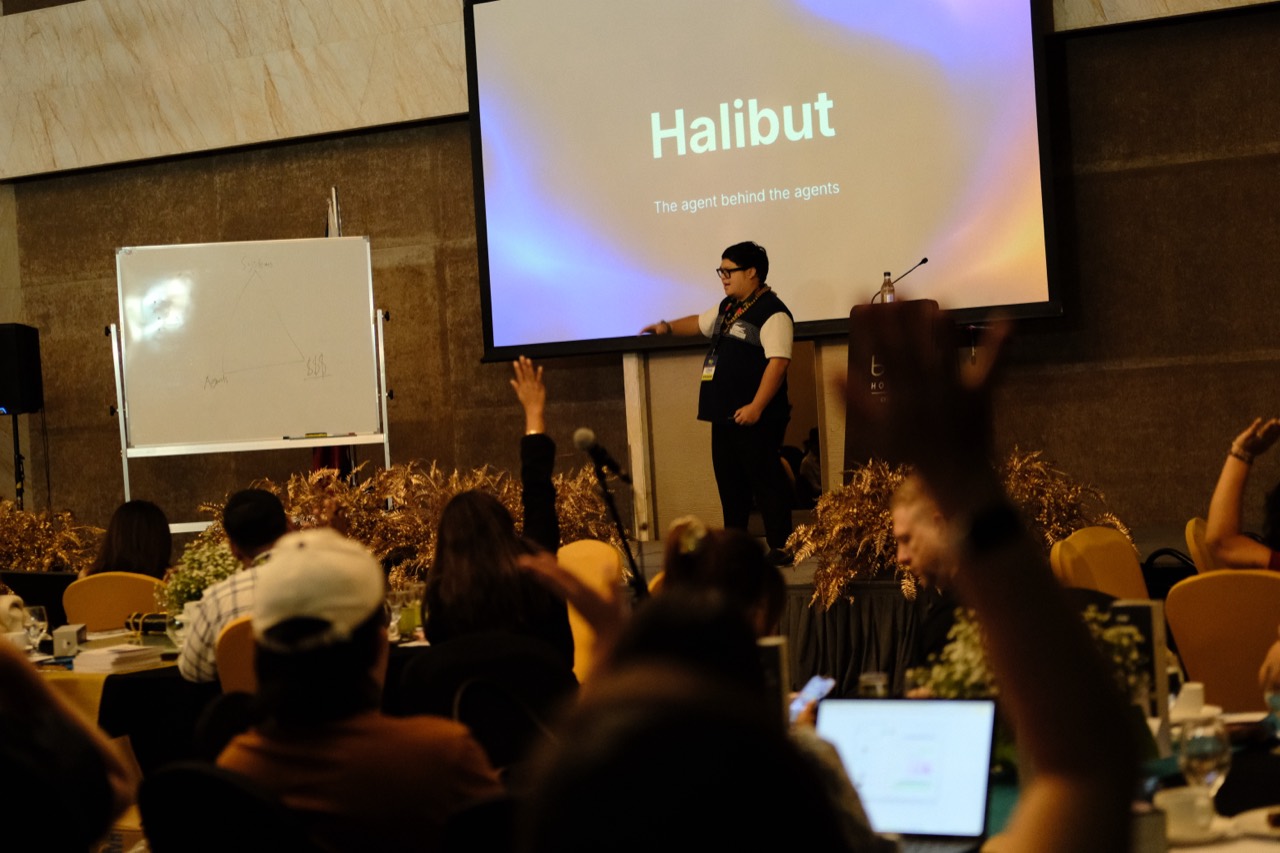
In my Cebu talk, I asked people to think about designing an agent as if they were hiring a person. You would give that person a job description, an operations manual and boundaries. Expecting an AI to fill those gaps is how a promising tool becomes another thing you have to manage.
“Help with sales” leaves too much open. “Read new workshop inquiries, answer from the approved event brief, and pass booking requests to the coordinator” describes a job that someone can check.
Before opening an agent builder, write the responsibility in one sentence. Include the person being served and the next step you want to make easier.
What belongs in an AI agent job description?
Use this worksheet to turn a broad idea into a job. Short, specific answers are more useful than a long prompt full of adjectives.
| Field | What to write |
|---|---|
| Customer | The person, their situation and why they are contacting you now. |
| One job | The responsibility this agent owns, with a clear beginning and end. |
| Approved sources | The current offer, operating manual, FAQs and examples it may rely on. |
| Permitted actions | What it can read, draft or change, and which actions need approval. |
| Voice | A good example and a bad example, with the reason each works or fails. |
| Next step | The specific output, request or handoff that moves the customer forward. |
| Exceptions | When it must stop and who takes responsibility next. |
| Acceptance check | What must be true before you consider the job complete. |
Example: a workshop inquiry assistant
Illustrative brief: The customer is considering a workshop and needs to know whether it fits their business. The agent may explain the published agenda, prerequisites and registration process. It uses the current event brief as its source for the venue, date and access details.
It may collect a question for the organizer and draft a response when information is missing. It may not invent a discount, promise a result or mark someone as paid. A registration request goes to the person responsible for confirming it.
A good answer gives the customer the information they asked for and one clear next step. A friendly message with the wrong venue fails the job, regardless of how natural it sounds.
That detail matters to me. In Cebu, I described Alice, an event assistant I built, sending people to the wrong venue. The lesson is specific: the facts that guide a customer's real-world actions need a reliable source and a responsible owner.
Separate a request from a completed action
During the September Conversation AI workshops, I used appointment handling to explain scope. An agent may be allowed to request a slot while a person still confirms it. Another business may want the agent only to send the customer to a booking page.
Write those differences into the operating manual. “Customer asked for Tuesday,” “Tuesday is available” and “appointment confirmed” describe different states. The reply must match what has actually happened.
Test the brief before adding more tools
Try a normal inquiry, a missing fact, conflicting information, an out-of-scope request and a customer who wants a person. For each, check the answer against the brief. Did it use the right source? Did it stay within its role? Did the handoff contain enough information for someone to continue?
When a test fails, repair the brief or workflow before expanding the job. A second integration will not resolve an unclear responsibility.
Your next action: Complete the eight fields for one repeated customer conversation. Have the person who currently handles that conversation review it. Their corrections are part of the design.
The talk behind this guide
These lessons come from my October 2026 Future of Agencies session in Cebu. Read my talk recap for the teaching context. The organizer's 2026 agenda lists the session. The worksheets here expand on that teaching for use in your own business.
Source notes
Adapted from Cris Vinson's recent teaching in Cebu in October 2026 and the September 2026 Conversation AI workshops. Edited into a practical guide; worksheets and hypothetical examples are added for application.
Bring one real workflow
If your team keeps answering the same question or repeating the same handoff, start with that job.