What Should Your Team Leave an AI Workshop Able to Do?
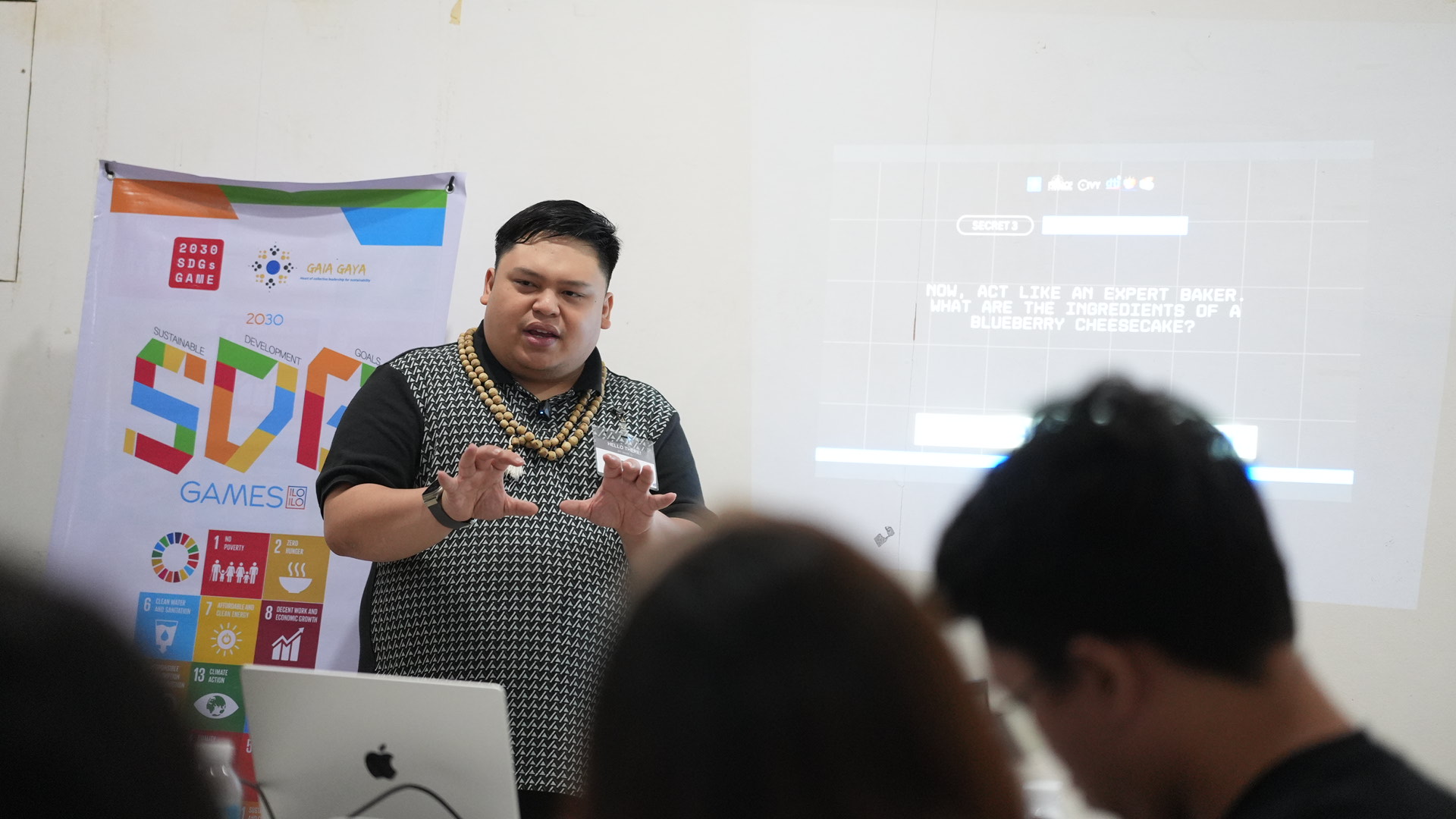
Your team should leave an AI workshop able to perform a defined task, check the result and recognise when to involve a person. They should also know where the approved information lives and who will support practice after the session.
A memorable demonstration can create interest. Capability requires people to try the work themselves and judge what happened.
When I think about teaching AI, I want the learning to survive the room. The practical question is what somebody will do differently when the ordinary work returns.
Choose a task before choosing the agenda
Start with the audience's actual responsibility. A business owner, coordinator and technical implementer may need different outcomes from the same topic.
For a fictional service team, the workshop task might be preparing an enquiry summary from a safely constructed example. Participants would identify the customer's request, preserve important facts, flag uncertainty and recommend the appropriate next step for review.
That task is specific enough to practise. “Become an AI-powered business” is an ambition that needs several smaller decisions before it can become a workshop outcome.
Ask what the team already knows and what they are permitted to use. An agenda that assumes access or experience people do not have can spend most of the session recovering from that assumption.
Define the evidence of learning
Choose an output and a check. For the fictional enquiry exercise, an acceptable result could preserve the original facts, avoid invented promises and identify the unresolved question.
Then give participants a second example that differs from the demonstration. This shows whether they can apply the method rather than repeat the instructor's steps.
| Outcome | Evidence during the workshop |
|---|---|
| Describe the task | A clear input, output and owner |
| Use approved information | The participant can identify the governing source |
| Produce a useful draft | An output that meets the agreed criteria |
| Evaluate the result | Specific corrections with reasons |
| Recognise a boundary | A case routed to a person instead of guessed |
| Continue practising | A named task, owner and review arrangement |
These are proposed learning checks, not claims about past attendees or guaranteed results.
Give judgement as much attention as prompting
Participants need to recognise a plausible error, an unsupported claim and an action the system is not authorised to take.
Use an exercise with missing or conflicting information. Ask what should happen before the team accepts the output. This is often where the business's actual policies become visible.
Teach people to explain a correction. “Make it better” leaves the standard hidden. “Keep the requested appointment separate from a confirmed booking” gives them a rule they can reuse.
A good prompt helps communicate the job. The surrounding process determines whether the work can be trusted and used.
Prepare a workshop brief
Give the facilitator the audience, task, starting skill level, permitted tools, available access and desired output. Provide approved examples and remove information participants should not see.
Agree on the session's limits. A workshop can produce practice and a proposed workflow without making a production system ready to operate. If implementation is required, give it its own scope and tests.
Also decide who will attend from the business. A person who knows the process can resolve questions that no generic exercise will answer.
Plan the week after the session
Choose one practice task and someone who will review it. Keep a place for examples, corrections and unresolved questions. Decide when the team will evaluate whether the method is useful.
This follow-through does not need to be elaborate. It needs to fit the team's workload. An ambitious plan nobody has time to run will not help the learning settle into practice.
Evaluate the workshop through the agreed task and subsequent use, alongside participant feedback. Enjoyment matters, but it answers a different question from operational capability.
If you are planning an AI workshop for your team, book a conversation with me. Bring the work you want people to handle better, and we can design the learning around that responsibility.