AI Fluency
The AI Tools Change. The System Behind Them Shouldn't.
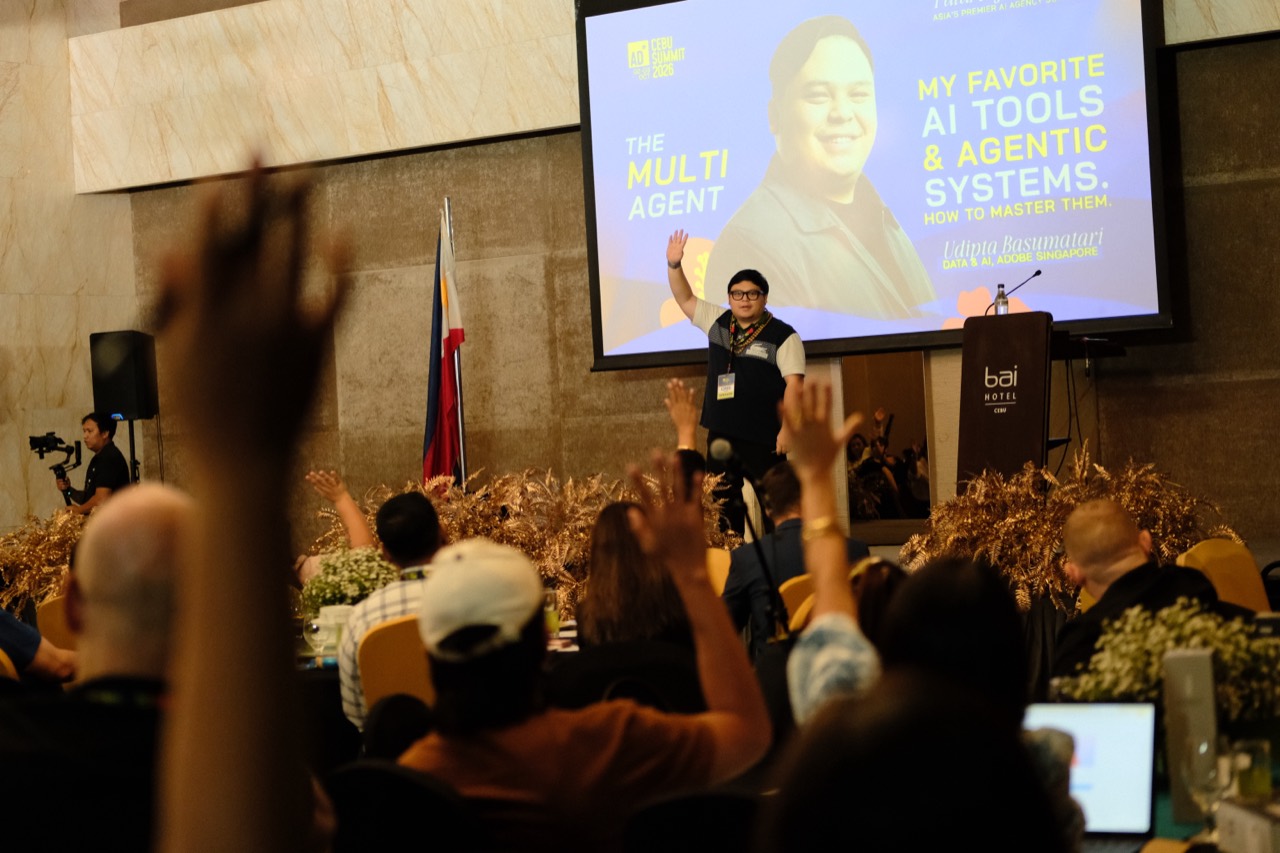
The slides were not displaying when I started my session at Future of Agencies. I asked for a whiteboard. The room waited while we worked through the tech problem.
It was a fitting opening for a talk about AI tools. A new model or platform can be exciting, but it can also change or fail at the wrong moment. If the only thing you know is which button to press, you are stuck when the button moves.
I had come to Cebu to share my favorite AI tools and agentic systems. What I wanted the room to take home was more durable than a list of apps.
Start with the business, not the model
Every week, someone announces that a new tool will replace designers, agencies, or the software we built on last month. I understand why agency owners feel pressured to keep up. I also know what happens when you add an AI tool without deciding which business problem it should solve. You can end up with more work and no clearer outcome.
So I asked the room to think about one job first. Who is the system serving? What are they trying to do? What does a good result look like? Which part must still belong to a human?
That leads to the first layer.
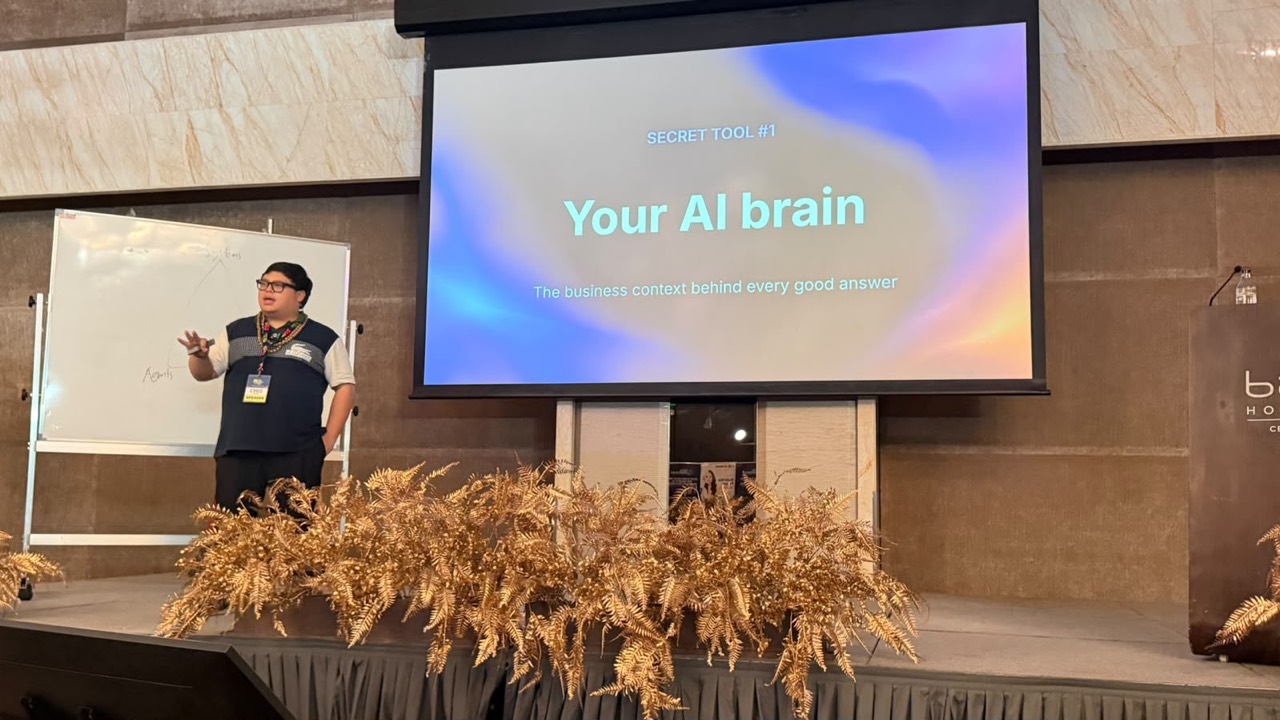
1. Give the agent a business brain
An AI model can write polished copy. It cannot know, by default, whether that copy sounds like your business or helps your customer. The context has to come from you.
I call that context the AI brain. It includes your brand voice, offers, customer journey, examples of good work, the language customers actually use, and the operating manual for the job. It also needs boundaries. An agent that writes sales copy should know when it is writing a draft and when a person needs to review it.
The brain does not have to live in a fashionable app. Use Google Drive if your team already works in documents. Use Notion for a shared wiki, Obsidian for linked Markdown notes, or GitHub when versioned files and code are part of the work. The best home is the one your team will maintain.
2. Connect the brain to the work
A useful agent also needs a way to read information and take a permitted action in the systems where your team works. In the talk, I used the image of a waiter. You describe the order; the waiter carries it to the right place and brings the result back. A connector, including an MCP server, can play part of that role between an AI assistant and a business tool.
That could mean reading an inbox before preparing a daily summary, turning a recorded meeting into a task, or drafting a reply for review. I prefer to read a reply before it goes out. The connection should make the job easier while keeping responsibility visible.
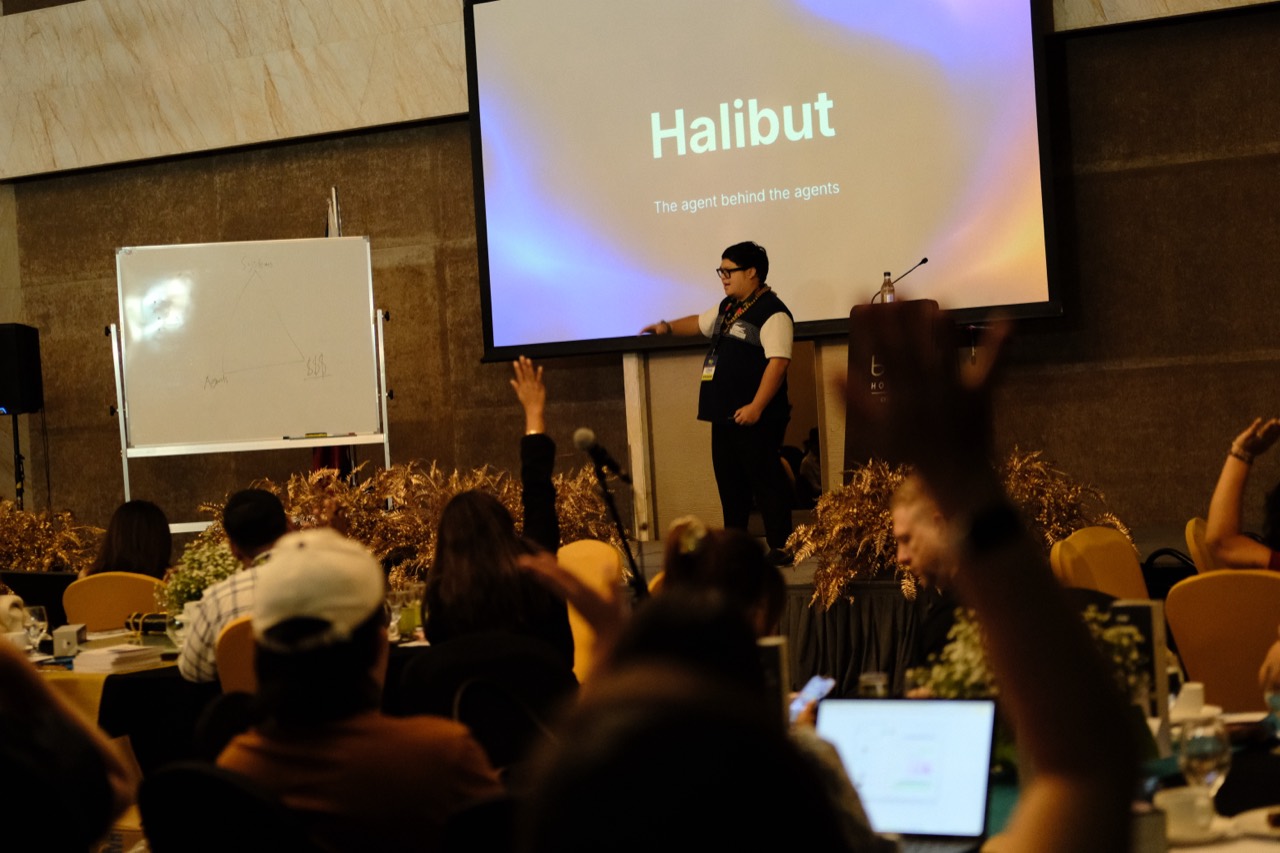
I also showed Halibut, an agent I built for my own work. The point was not its name or the model behind it. The point was that it had a defined job, relevant context, and a way to act inside a workflow.
3. Turn a tested method into a skill
The last layer is the method. A skill tells an agent how to do one job to a standard you can recognize and check. It can hold the steps, examples, and criteria that you would give to a capable new team member.
That is why I do not start by asking an AI to invent an operating system for a business it does not know. I start with a method that has already worked, then make it repeatable. If I cannot explain how to judge the output, the skill is not ready to scale.
My practical starting sequence for the room was simple: choose one job, give it the right brain, connect only the tools it needs, add the method, then test and repair it. You do not need a fleet of agents to learn whether one useful agent can help.
The human handoff still matters
I told the audience that Alice, an AI event assistant I had built, once sent people to the wrong venue. She could hold a conversation, but that mistake mattered to the person trying to arrive. It was a reminder that an impressive demo is not the same as a reliable experience.
Give the agent clear boundaries. Check the details that can hurt a customer. Let a person own the exception. That is how the system becomes useful in a real business, where someone has to live with the outcome after the talk is over.
Thank you to the Future of Agencies team and everyone in Cebu who stayed in the conversation, even when the slides did not cooperate. The tools will keep changing. The work of understanding your business and the people it serves remains yours.
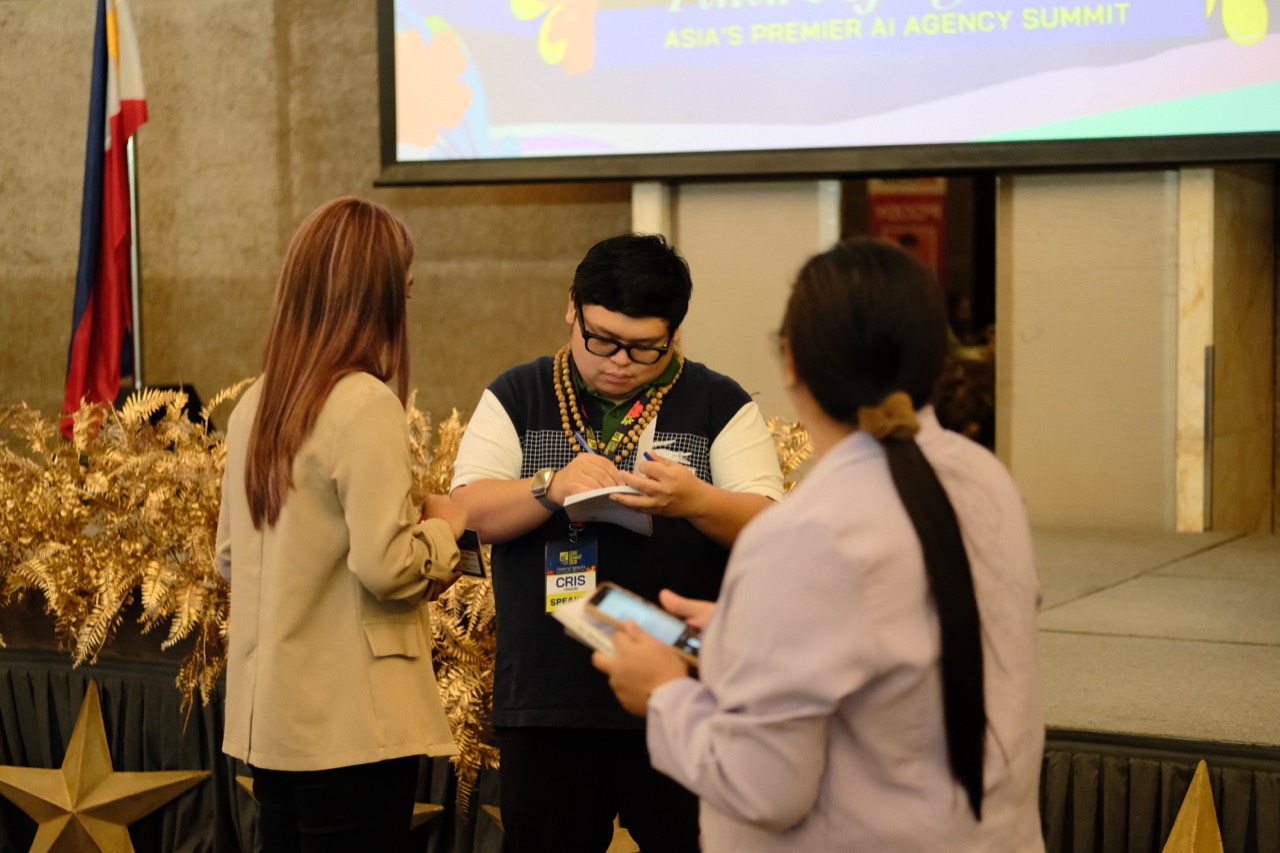
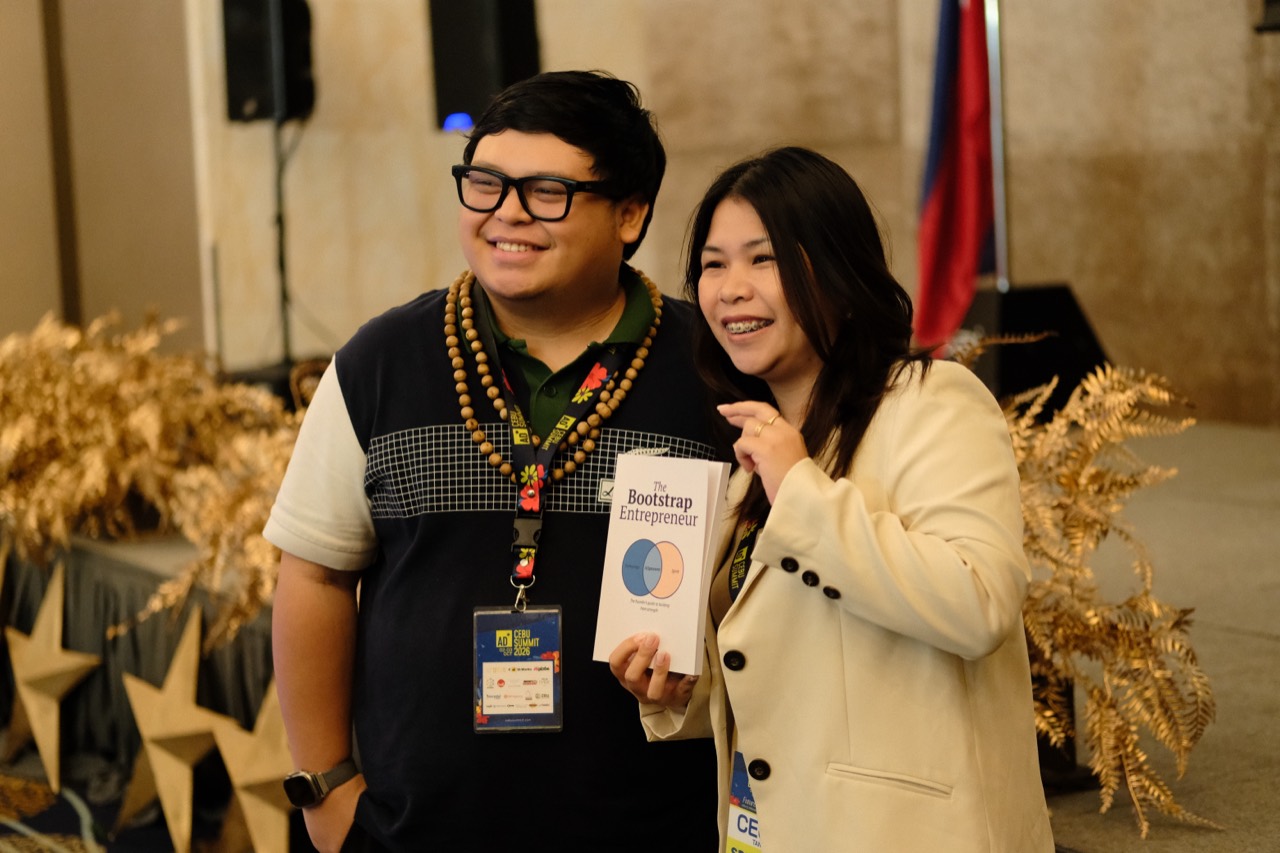
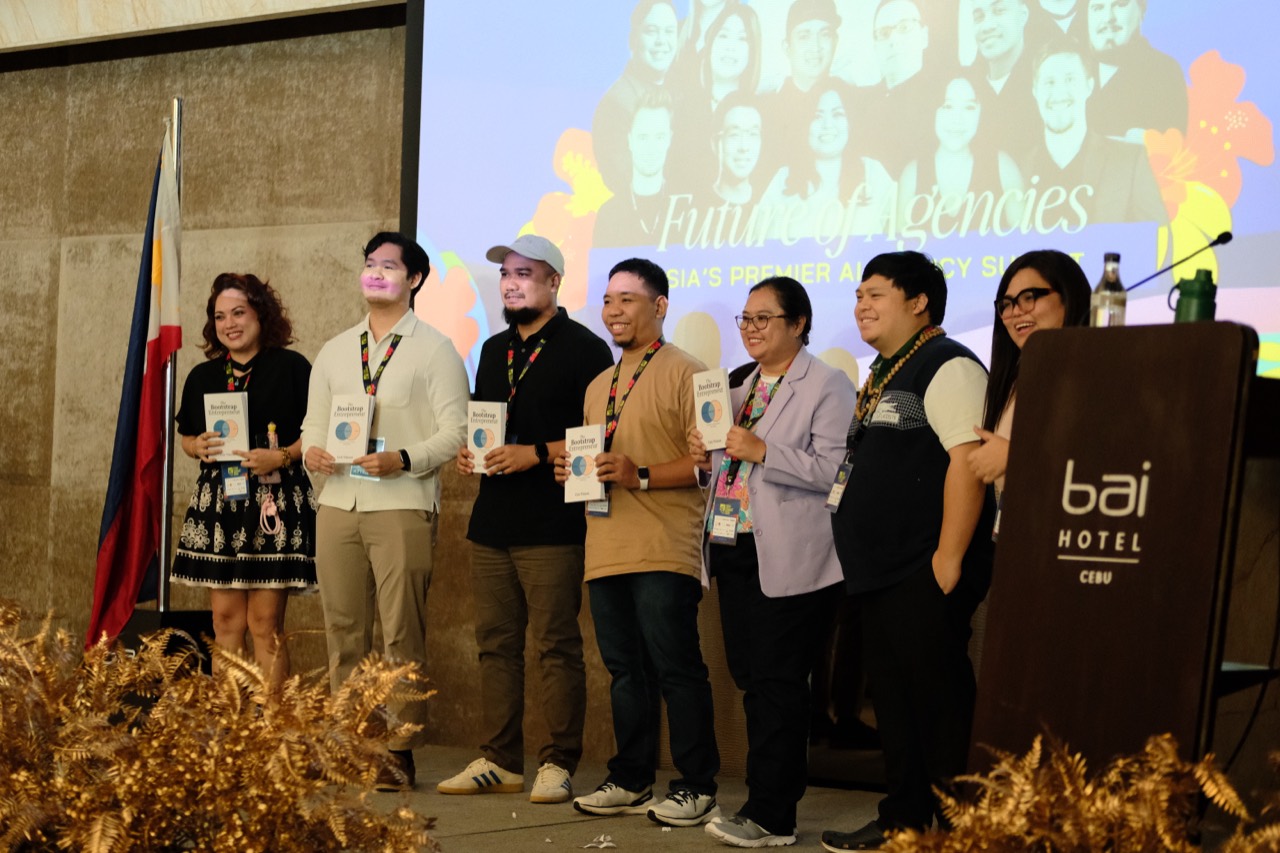
This article is adapted from Cris Vinson's recorded Future of Agencies talk at Cebu Summit 2026. The talk transcript was exported from Descript and edited for clarity.
Build one useful system
If your team has one repeated job that still depends on you, start there. Bring the workflow and the real examples.